
Forum Reflections On Divorce and Grief: More Than Legal Papers, A Journey of Healing

Updated: Oct 7, 2025
Divorce - the word itself carries weight. For some, it feels like the end of a chapter; for others, a terrifying unknown.
In our recent forum Navigating Divorce and Grief: Legal and Emotional Pathways for Families—featuring family and matrimonial lawyer Piya Balakrishnan, clinical psychologist Alex Lui, child psychologist Ju Li, and moderated by counsellor Esther - one truth echoed again and again: divorce is never just a legal matter. It is also an emotional one.
And unless both are navigated, the journey remains painfully incomplete.
The Quiet Beginning: Contemplation to Divorce
The process often begins long before the court. It starts in silence—sleepless nights spent asking: Can this marriage be saved? Am I staying for the right reasons?
Legally, as Piya, family and matrimonial lawyer clarified, Malaysia recognizes only one ground: the irretrievable breakdown of marriage. Yet this is interpreted through four pathways: 1) adultery, 2) separation, 3) desertion, or 4) unreasonable behavior. But while the law frames divorce through these categories, emotions don’t follow such clear lines. More often, the breakdown shows up as disconnection, resentment, or the slow erosion of trust.
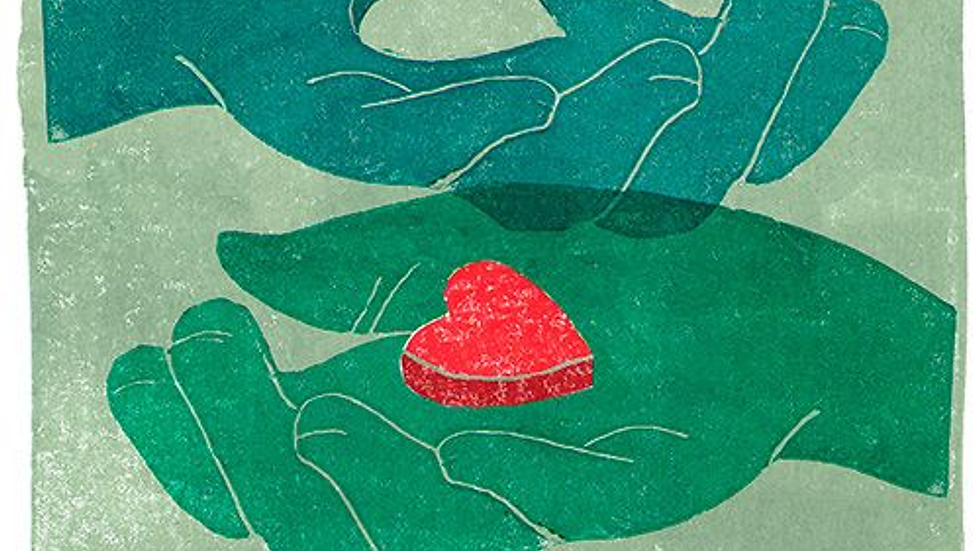
Yet divorce is never decided by legal grounds alone—it is also shaped by how we choose to respond *when love feels fractured.
Alex, our clinical psychologist and family therapist, reminded us that many couples enter therapy with the wrong expectation: to prove who is “right” and who is “wrong.” But the work of therapy isn’t to decide who’s right or wrong. Instead, it holds up a mirror. It asks: Am I trying to fix my partner, or am I willing to face my own patterns? It shifts the stance from “me versus you” to “us versus the problem.”
Sometimes, therapy helps couples repair. Other times, it helps them part with clarity. And when separation is on the table, mediation becomes a crucial bridge.
The Role of Mediation in Divorce
There is value in seeking mediation—whether through a professional, a lawyer, a mental health professional, or even a trusted neutral voice in the family or community. Mediation focuses on creating space to address needs, explore options, and protect what matters most, especially for children. At its best, mediation keeps couples from turning the courtroom into a battlefield. When couples take this step, they are less likely to let anger or fear dictate their choices. Instead, they move into the legal process with more clarity, dignity, and a shared sense of responsibility.
The Storm: Legal and Emotional Battles Amidst Divorce Filing
If contemplation is the quiet before, legal filing is when the weight becomes real. Papers are submitted, and private struggles take formal shape. The timeline then depends on the type of divorce filed—a joint petition may resolve within months, while a contested divorce can stretch into years.
This is where many feel powerless. Yet Piya, family and matrimonial lawyer, emphasized that agency is still possible. Documentation—financial records, custody considerations, even cross-border details can become a form of preparation, a way of holding ground amidst uncertainty.
At the same time, all three panelists highlighted the "emotional divorce" that unfolds in parallel with the legal divorce. This is the inner terrain of grief, fear, anger, and guilt—feelings that can heavily influence each decision along the way. At times, unresolved hurt can even slip into manipulation, especially when children are drawn into adult conflicts.
Impact on Children During Divorce
Children, especially, often become the unintended collateral of divorce. Even when parents don’t mean to, the tension can spill over onto them, leaving feelings of guilt, insecurity, or divided loyalty. When children are pulled into the middle of disagreements, the wounds run deep. But when parents make it clear that the conflict belongs to the adults, not the children, and consistently reassure them that it is never their fault, it can help rebuild a sense of safety and stability in the midst of a destabilizing transition.
Life After Papers: Post-Divorce Realities
The court’s stamp may finalize the divorce, but it doesn’t erase the entanglement. Financial obligations may be ignored. Custody agreements may be challenged. New partners may enter, reshaping dynamics in ways the law must reassess. Legal remedies exist, but they take time. And even when the law intervenes, it doesn't completely soften the bitterness that lingers.
Unresolved resentment has a way of keeping old battles alive, even after the divorce is finalized. Conflicts resurface, and legal disputes may follow. This is why the “emotional divorce” is as important as the legal one—without it, closure remains elusive. But when ex-spouses do the inner work of acceptance and learn to relate differently, the focus can shift back to what truly matters—stability, healing, and the children’s sense of safety.
And this is where the deeper invitation lies - **rebuilding.** Divorce not only changes a relationship, it can shake the roles we’ve long carried—wife, husband, partner, caregiver. In that space of loss, a new question emerges: Who do I want to become now?
Rebuilding Identity and Community
Rebuilding is about rediscovering identity and redefining family. It often begins with connection—with allowing others to walk alongside you. Sometimes that looks like a neighbor helping with school runs, a friend cooking a meal, a therapist offering a safe space, or joining a support circle of those who have walked a similar path. Rebuilding takes courage and it also takes community. The key is to remember that rebuilding is never meant to be done alone.
From Rebuilding Self to Rebuilding Family
As adults begin to rebuild their own identities after divorce, another vital question emerges: what becomes of the family? Children don’t just need custody schedules or court orders; they need to feel seen, safe, and loved. Divorce changes the shape of the family, but it does not have to sever its bonds.

Dr. Constance Ahrons, in her groundbreaking book The Good Divorce, reminds us:
A family with children remains a family, even after divorce. The structure changes, yes—but its functions endure.
Parents still carry the responsibility for their children’s emotional, economic, and physical care. A “good divorce,” she argues, is one where ex-spouses cultivate a cooperative parenting partnership—strong enough to preserve kinship ties through their children.
In today’s world, where divorce and remarriage touch many families, this understanding of a “good divorce” matters. It reminds us that even when family structures change, children can still experience stability, care, and a sense of belonging when parents choose to protect the bonds that matter most.
Two Divorces: Moderator’s Takeaways and Reflection
What stayed with me most from this conversation was the reminder that divorce is like a coin with two sides: the legal divorce and the emotional divorce.
Both need to be attended to with care, as part of the healing process.
The legal divorce is stamped by the court. It sets out obligations, rights, and boundaries. But the emotional divorce unfolds in the heart, where bitterness either lingers or is released. Without emotional divorce, the past keeps bleeding into the present. Without legal divorce, the practical entanglements never end.
When couples step into divorce, they often carry a mountain of pain—anger, betrayal, disappointment, fear of the future. These feelings are valid and deserve space to be expressed, held, and understood. In The Good Divorce, Constance Ahrons likens the legal process to standing in the midst of an earthquake: it is not the place to unpack the “quake” of emotional turmoil or assign blame. Instead, it is where you focus on navigating the immediate terrain safely and making practical decisions. Therapy, support groups, and trusted friends provide the space to process the emotional impact, while the legal process offers structure, clarity, and a practical path forward.
Looking Forward
So perhaps the real question is not just,** **How do we end this marriage? **but, How do we carry forward the bonds that matter most, especially for our children?**
For children, security lies in knowing that love remains constant, even if family structures change. For parents, healing comes when they learn to release bitterness, preserve respect, and reset the vision of what family can mean.
Divorce can feel life-threatening, a tearing apart of all that once felt stable. Yet, with self-awareness and thoughtful inner healing and reflection, it can also become life-affirming—a reset that allows us to rebuild family, nurture healthy connections, and show our children that even through endings, love can endure.
If you are contemplating separation, in the midst of divorce, or simply needing space to process, know that you don’t have to walk this path alone. At Seed Connections, we offer 🔗 individual therapy and 🔗 couple therapy to support you in reflecting, healing, and finding clarity.
For legal clarity, you may also reach out to Piya Balakrishnan at Piya Chambers (🌐 https://www.piyalawchambers.com) for guidance on your rights and options.
Every journey is unique, but with the right support, both emotionally and legally, you can move forward with greater stability and hope.

Comments